Welcome to Portugal’s vine-terraced
valleys, ancient cities & Atlantic edge
What to Expect
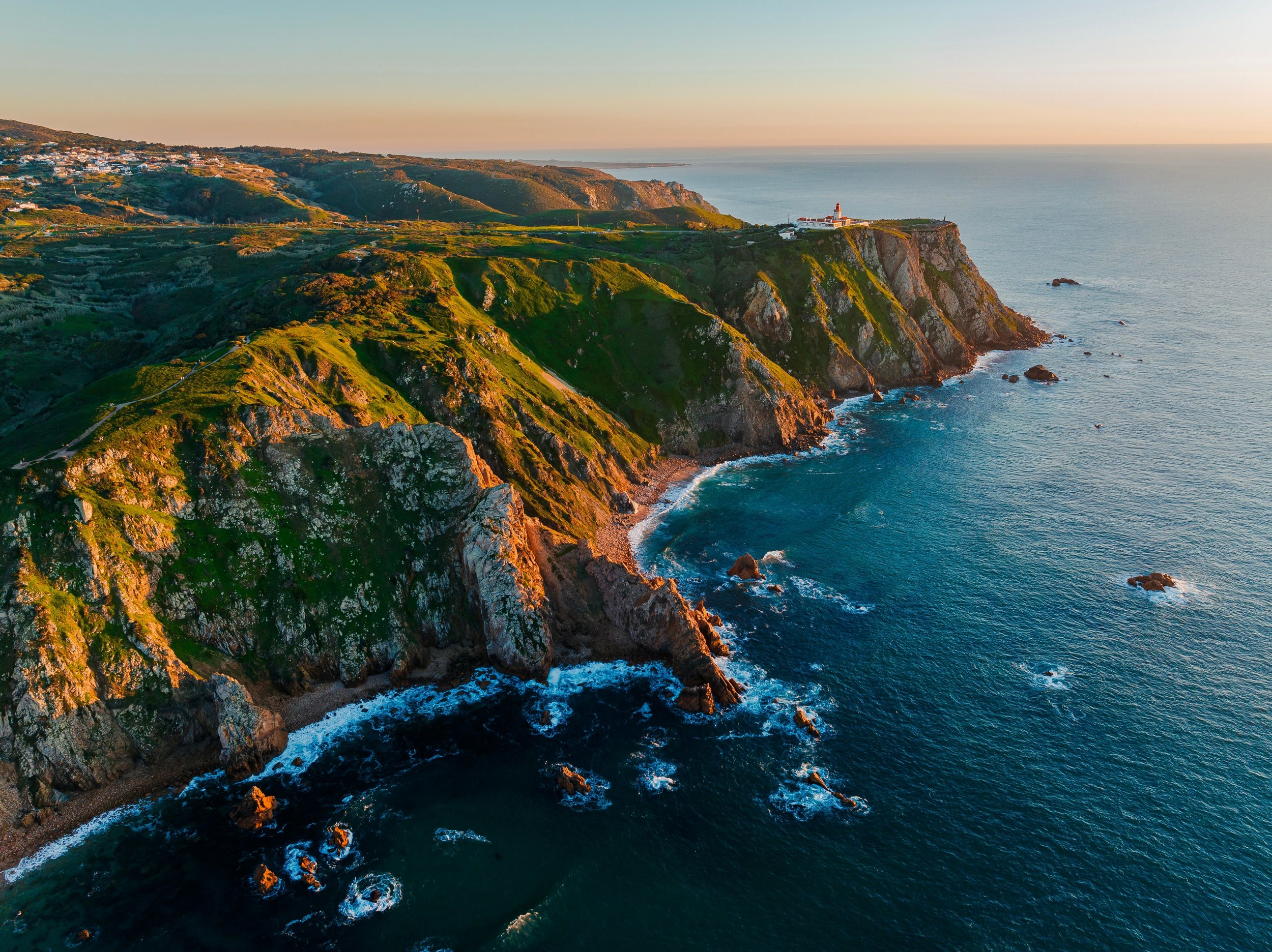
Portugal runs from the granite river country of the north to the whitewashed plains of the Alentejo and the sun-scorched cliffs of the Algarve. It is a compact country but a layered one: every region carries its own food, wine, dialect, and pace. Portugal rewards unhurried travel. The food is exquisite, the landscape is varied, and almost everywhere has something worth stopping for.

Best time to visitSpring and autumn are the most rewarding seasons across Portugal. March to May brings mild temperatures, wildflower-carpeted plains in the Alentejo, and uncrowded cities - Lisbon and Porto at their most walkable.

Say it like a local"Acalma a pipoca", literally "calm the popcorn," is what someone tells you when you need to stop overthinking and take things down a notch. Drop it correctly, and you will have earned yourself a second glass.

On the menuAmeijoas à Bulhão Pato is a Portuguese classic: clams cooked in olive oil, white wine, garlic, and lemon, finished with fresh coriander and served with bread to catch the broth.

Under the radarMonsaraz sits on a hilltop in the eastern Alentejo, its whitewashed medieval walls rising above the vast Alqueva reservoir. The village is tiny, unhurried, and almost entirely free of the crowds that reach the Algarve and Lisbon.
Strolling through Portugal
A three-day guide to one of Europe's most rewarding short trips: two days in Porto's medieval centre and wine-lodge hillsides, and a full day in the Douro Valley by train.
This guide covers the best times to go, where to stay, and a day-by-day itinerary including the historic heart of the city, its markets, gardens, port wine cellars, and the scenic Linha do Douro rail journey.
Our favourite experiences
from Porto & the Douro Valley
-
One of Europe's great scenic train journeys, and still one of its best-kept secrets. The Linha do Douro runs east from São Bento station in Porto, following the river as the valley narrows and deepens, with terraced vineyards rising on both sides. The stretch between Peso da Régua and Pinhão (the final forty minutes or so) is particularly arresting. The landscape changes fast once you clear the suburbs, and then it doesn't let up.
-
Porto's most iconic market, Bolhão is the right place to graze rather than sit down. Work through the ground floor stalls and eat as you go. The seafood is the main event: fresh oysters, barnacles, scallops, and whatever the fish stalls are carrying that morning. Beyond that, the charcuterie and regional cheeses are worth lingering over, and in season, the fresh fruit alone justifies the detour.
-
The lodges that line the southern bank of the Douro - Taylor's, Graham's, Sandeman, Cockburn's, Ramos Pinto, among many others - have aged wine in these cellars since the 17th century. Port was brought downriver from the Douro Valley in flat-bottomed rabelo boats and stored here, where the Atlantic air moderates the temperature year-round. A guided cellar tour and tasting at any of the well-run lodges takes about an hour and a half.
-
At the top of the Gaia cable car, a terraced garden looks directly across the Douro at Porto's full skyline. In the hour before sunset, the city turns gold. Locals arrive early with wine, street musicians set up along the paths, and the whole scene has a quality that is genuinely hard to manufacture.
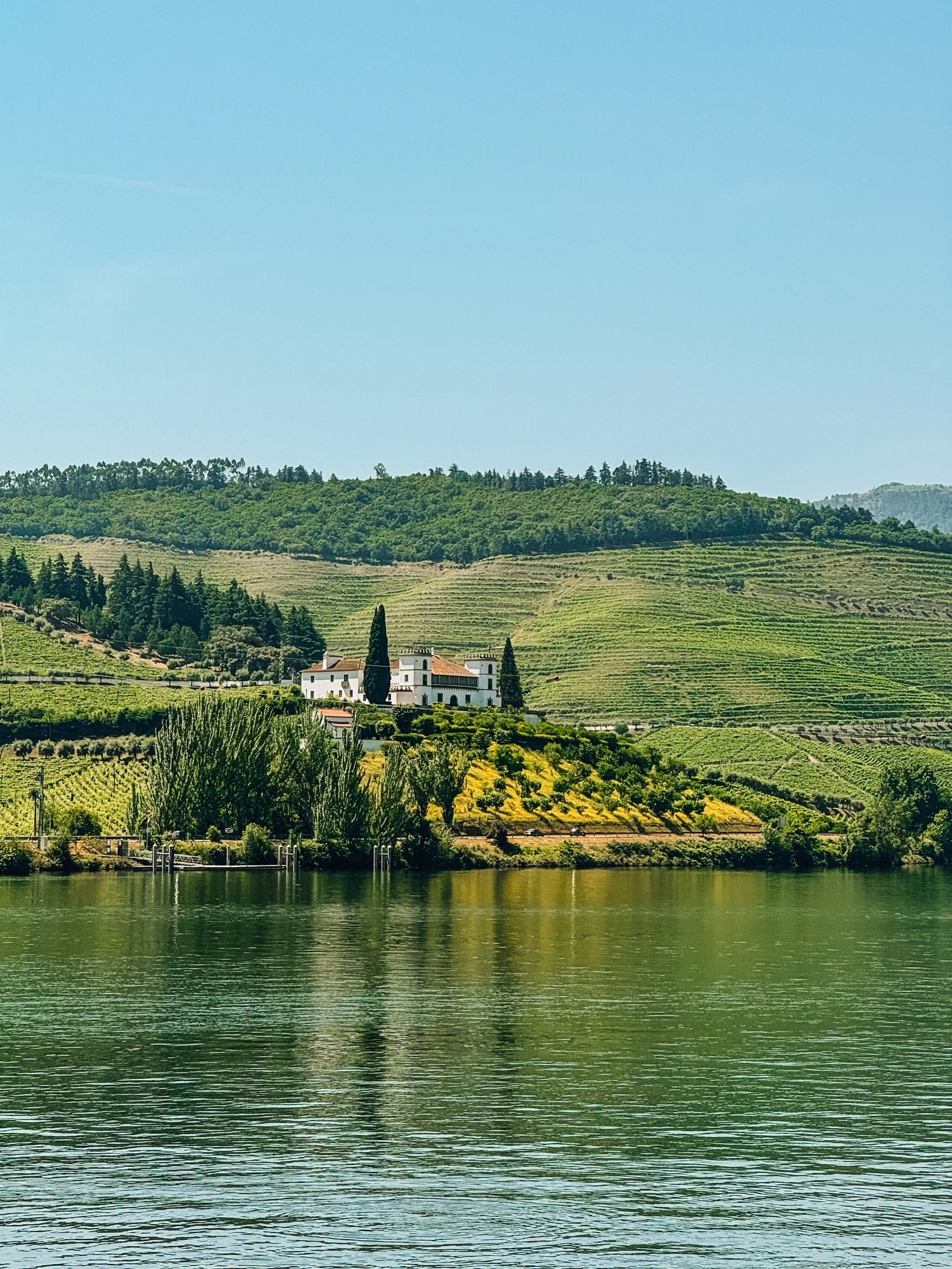
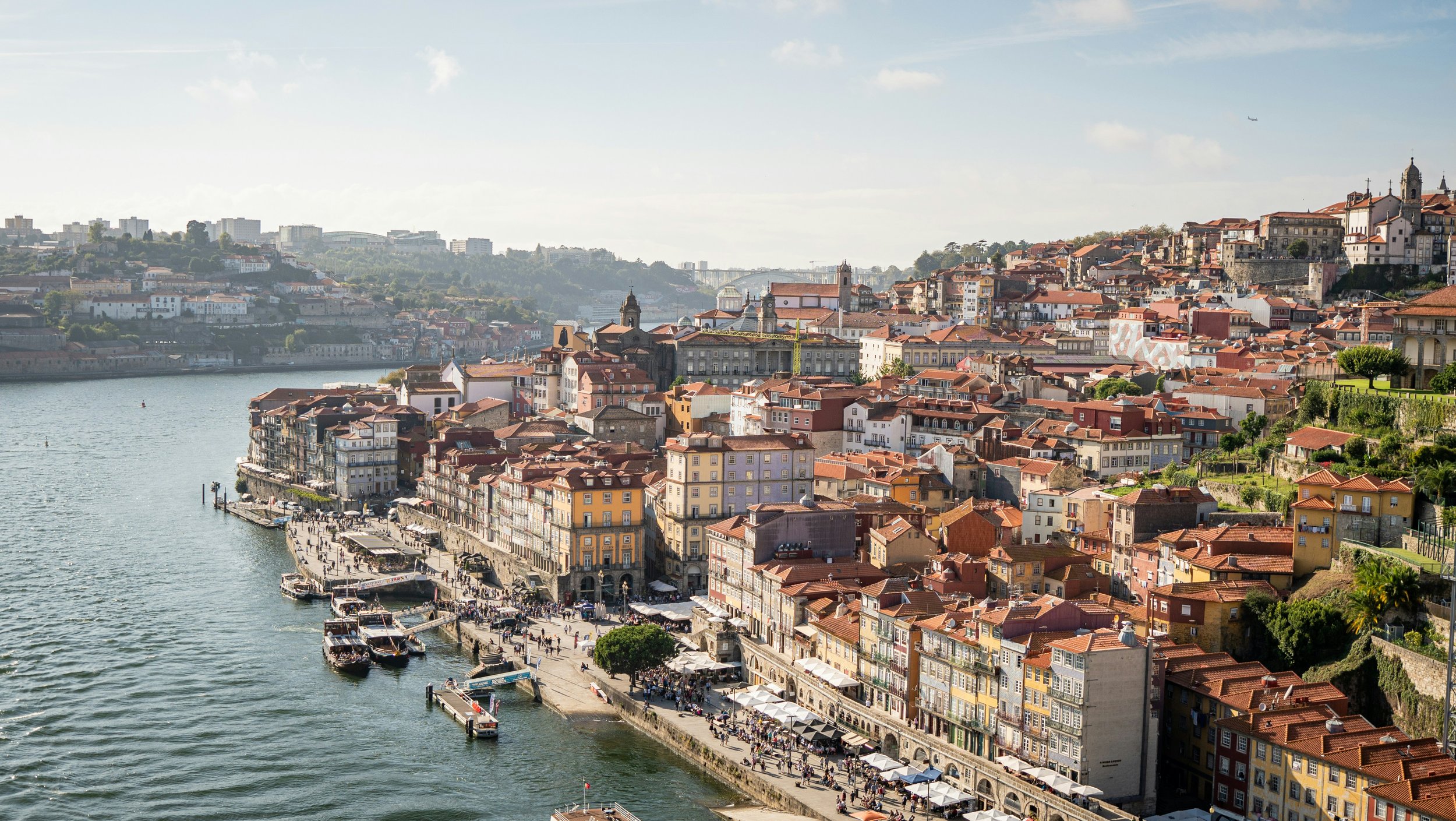
Few short trips in Europe cover as much ground as this one: a medieval river city, centuries of wine culture, and a valley that ranks among the world's great landscapes.
The Quick Fold: Porto & the Douro Valley
The Quick Fold: Porto & the Douro Valley
Santo António: the night Lisbon becomes itself
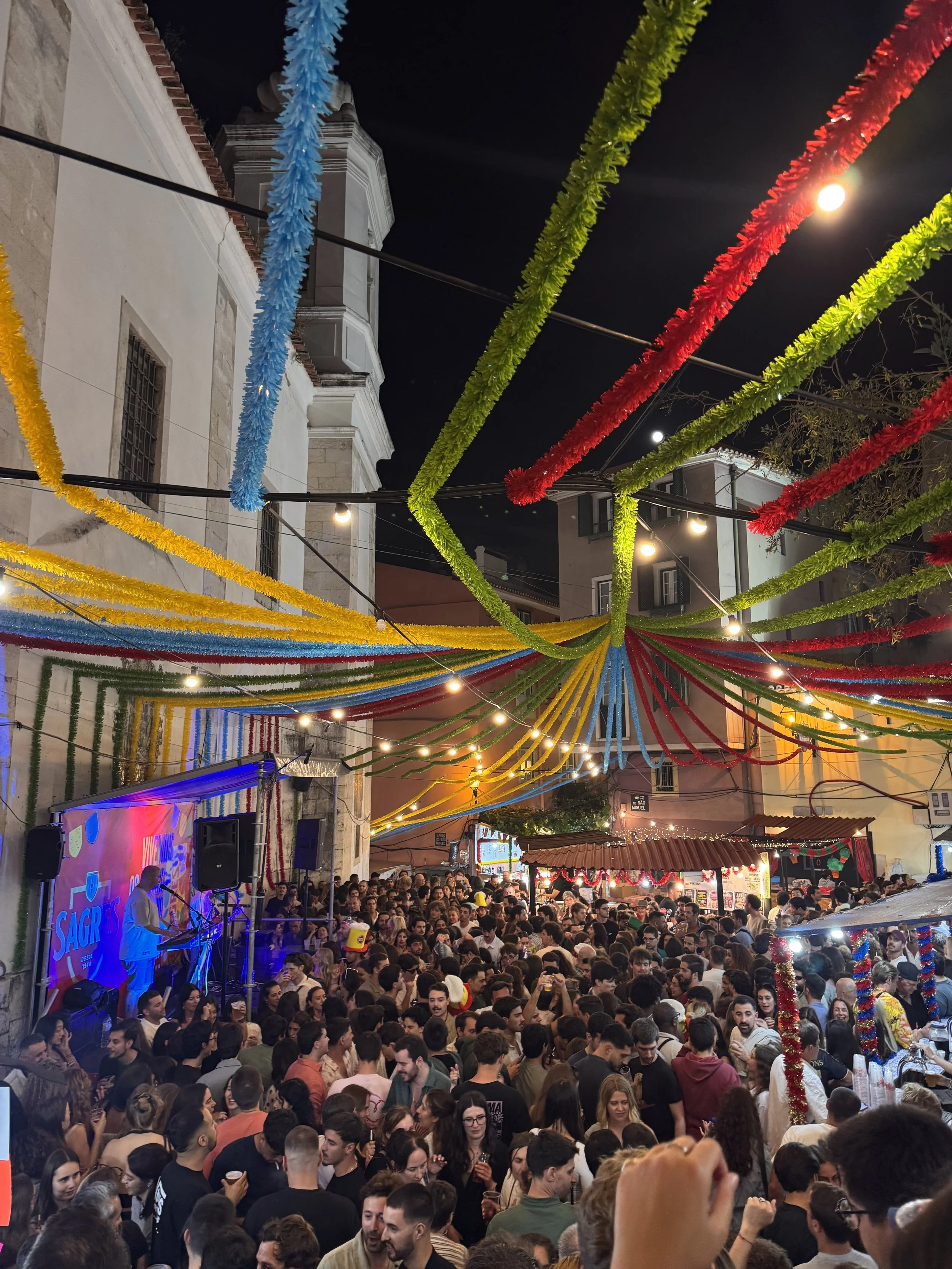
On the night of 12th June, Lisbon closes its roads and opens its streets. Santo António, the festival of the city's patron saint, born here in 1195 and claimed, rather fiercely, as a Lisboeta before he was anything else, transforms the city from a place you visit into a place you belong to, at least for one night.
The Marchas Populares are where the evening begins in earnest. From 21:00, each of Lisbon's historic neighbourhoods sends a troupe down Avenida da Liberdade with hundreds of performers in months-in-the-making costumes, each bairro competing with its own choreography and original song. It is serious, colourful, and intensely local. Leading the parade are the newlyweds: couples who married earlier that day at the Sé Cathedral as part of the Weddings of Santo António, a collective wedding ceremony the city has sponsored since 1958. The saint's reputation as the patron of matchmaking is, it turns out, not incidental.
From the Avenida, the city moves into its neighbourhoods. Alfama, Lisbon's oldest quarter, stepped and labyrinthine, running down toward the Tagus below the castle, is where the sardines are. Charcoal braziers appear in every alley, the smoke rises through the old streets, and neighbours pass plates and cups of wine to whoever happens to be standing nearby.
The street parties run until sunrise. 13th June is a public holiday in Lisbon, which helps. Start on the Avenida. End up in Alfama or Graça. The sardines on the braziers are nearly identical across the city; the atmosphere is not.