Welcome to England’s tapestry
of green, history & character
What to Expect
From rolling hills stitched with dry-stone walls to the hum of city streets and the hush of ancient woodlands, England reveals itself in layers - timeless, textured, and endlessly surprising. It’s a country where weather paints the landscape in constant motion: spring bursts with bluebells and cherry blossoms, summer shimmers on golden shores, autumn turns every forest path to copper, and winter steam curls from every pub door.

Best time to visitThe festive season sparkles with twinkling traditions, Spring brings blooming gardens and fewer crowds, Summer hums along the coast with festivals and open skies, but locals secretly prefer the crisp, golden autumn days.

Say it like a localWhen a tiny fuss turns into a full drama, it’s "a storm in a teacup”; when something’s not for you, “it’s not my cup of tea”; and when someone’s exactly the cheerful face you needed, “they’re a sight for sore eyes”.

On the menuA Sunday Roast is more of a ritual than a meal, with Yorkies being mandatory. Pick your pub wisely. It’s not really a Sunday until you’ve had a roast.

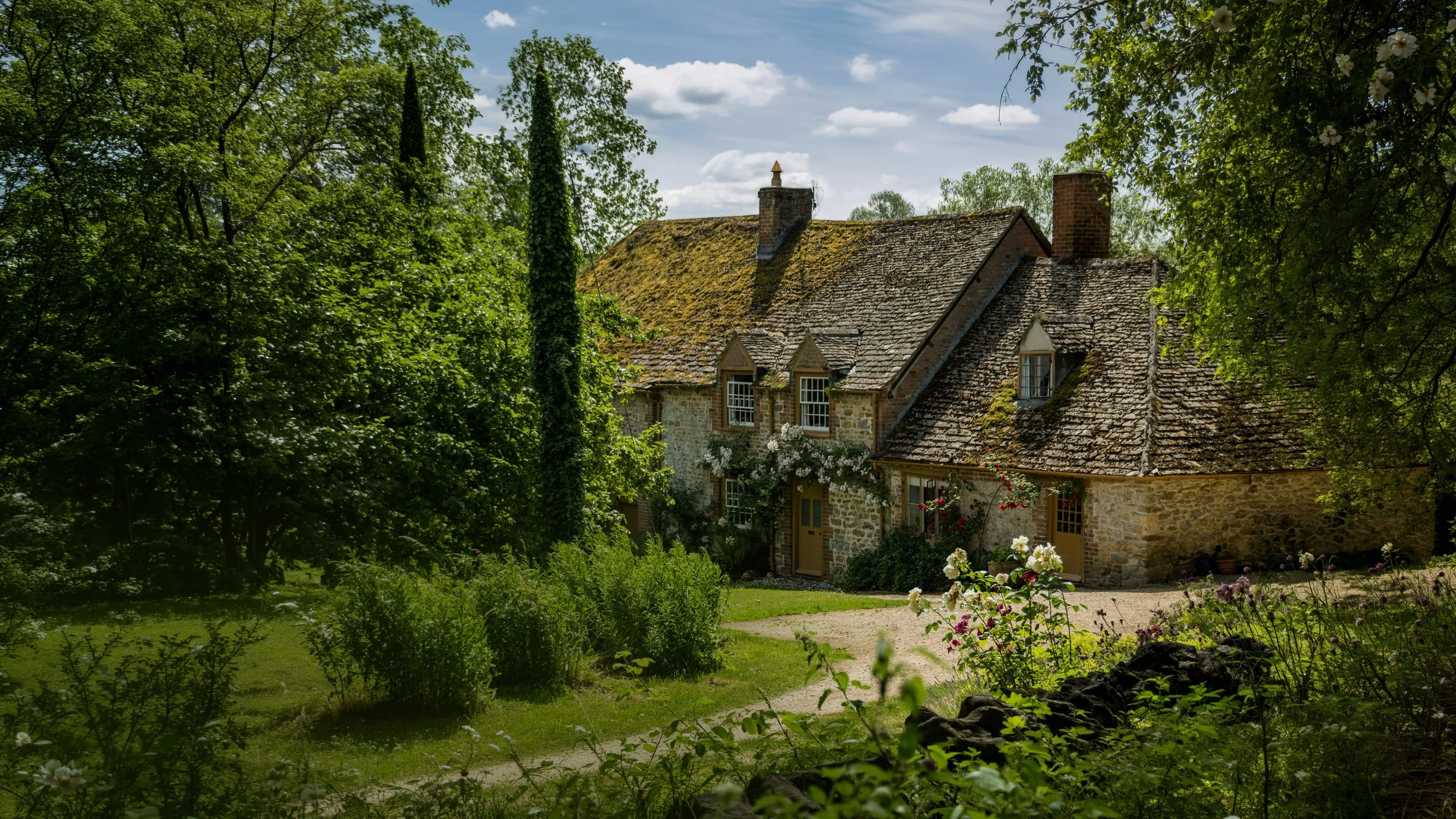
Under the radarSalcombe hides pastel cottages, sea views, and boat rides up the estuary. The harbour hums with quiet charm far from the crowded seaside towns of the South coast.
Drifting through England
This is a 3‑day, highlight‑packed London itinerary designed for first‑timers who want a little of everything: history, culture, food, and neighbourhood highlights.
*Details*
Your days will feel satisfyingly full, but the routes are planned to be walkable, logical, and punctuated with regular pauses to rest and refuel. Each day focuses on one broad area of the city, so you’re not criss‑crossing town, but you’ll still pass many of London’s big‑name sights along the way.
This itinerary weaves in some of Field & Fold’s favourite spots around key landmarks; you’ll often stroll right by them, so they’re easy to dip into without feeling like box‑ticking stops. It’s built for a classic long weekend from Friday to Sunday, with market‑specific moments timed for when they’re actually at their best (think Portobello on Saturdays and Columbia Road Flower Market on Sundays).
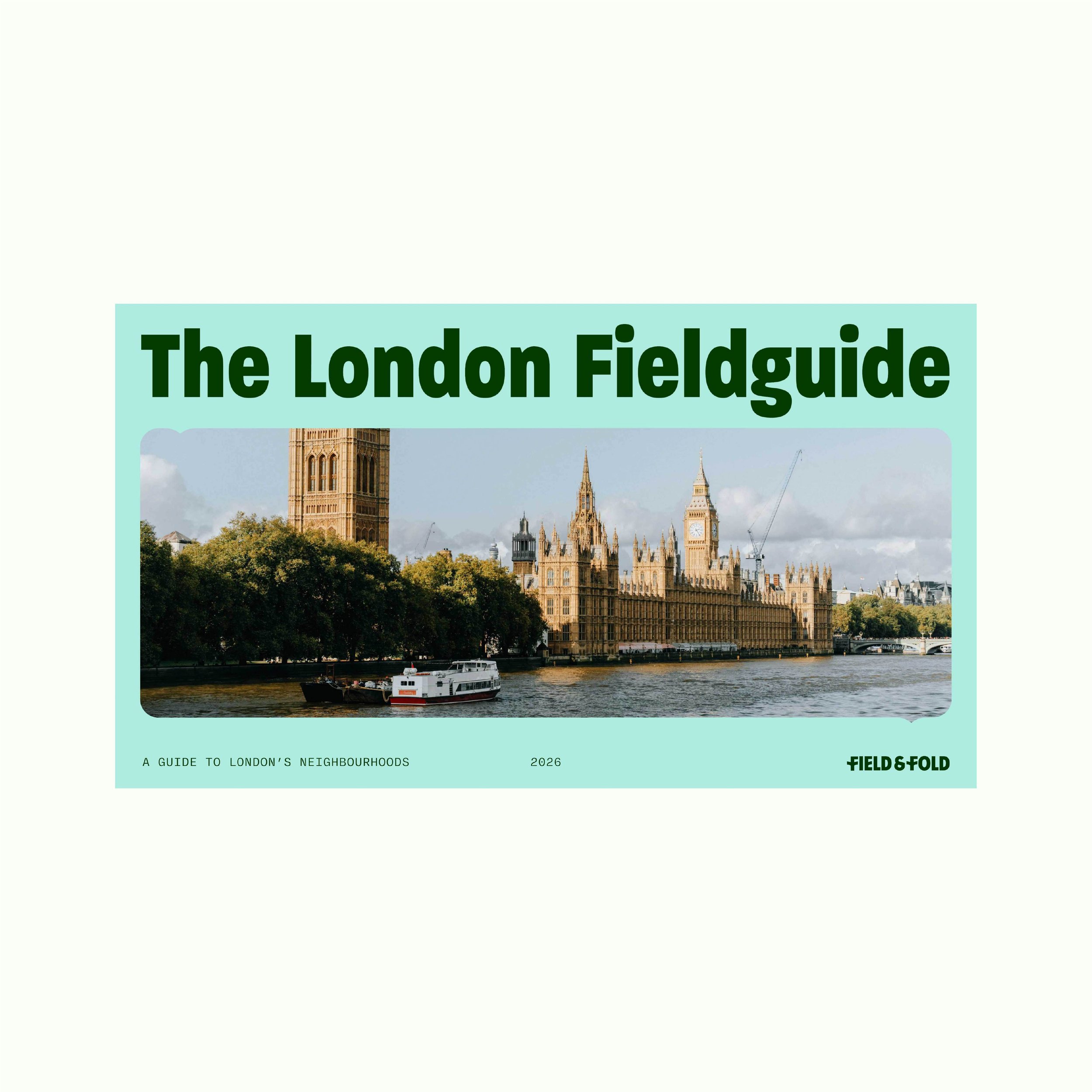
London is a city that never quite settles. Centuries of history sit right up against whatever opened this week: a new restaurant, a reworked gallery, a market that's always slightly different from the last time you visited. It rewards the curious, and this Fieldguide is your way in.
Rather than trying to cover everything, it offers a way of moving through the city: neighbourhood by neighbourhood, on foot where possible, paying attention to how places shift with the hour and the season. Written for travellers who would rather understand a place than simply see it.
What's inside
· 76 pages across 10 neighbourhoods, from West to East London
· Around 90 places, each with the story behind it: royal parks and riverside paths, markets and museums, historic houses and the quieter corners in between
· A month-by-month calendar of moments worth planning around, from cherry blossom season and Notting Hill Carnival to the London Film Festival and winter light trails
· Notes on London's famously changeable weather, and how to travel with it rather than against it
· Deeper feature notes throughout, including Turner's view from Richmond Hill, Poets' Corner at Westminster Abbey, and a season-by-season guide to what's in bloom at Kew Gardens
· A personal introduction from the author, a Londoner of more than nine years
The neighbourhoods
West London | Richmond · Westminster · Kensington
North London | Camden
Central London | West End · Waterloo & South Bank · City of London
East London | Shoreditch · Hackney & Hackney Wick
South London | Greenwich
Who it's for
First-time visitors who want more than a checklist of landmarks.
Returning travellers ready to look a little closer.
Londoners who'd like to fall for their own city again.
The format
· Digital PDF, available to download instantly after purchase
· Landscape layout designed for screens, best enjoyed on a tablet or laptop
· Illustrated throughout with photography
Please note
This is a digital product - no physical item will be sent. For personal use only. Details are accurate at the time of publication (2026), but opening times, events and seasonal dates change, so it's always worth checking ahead.
South Devon: Dartmouth, Torquay & Salcombe, a three-day coastal itinerary
Along this stretch of South Devon, the land folds down to the sea in wooded estuaries, shingle coves and bays that turn turquoise in the summer light. Boats swing on their moorings and the day keeps time with the tide. It is a coast made for slow mornings, salt on the skin and long evenings by the water. This Quick Fold is an itinerary for a weekend getaway on the English seaside, based in Dartmouth and reaching out along the coast to the English Riviera, Salcombe and Burgh Island. Maritime history, independent makers, wildlife on the water and seafood on the table, all at the pace of the tide.
What’s inside
· A day-by-day itinerary across three days, with practical notes, timings and local tips throughout
· Day 1: Dartmouth | Day 2: The English Riviera | Day 3: Salcombe & Burgh Island
· Restaurant recommendations for each day, from special-occasion tables to fish and chips on the harbour wall
· Where to stay: Dartmouth, Salcombe, Torquay and Totnes compared
· Getting there and getting around, including an honest note on driving Devon's narrow, high-hedged lanes
Who it’s for
Travellers who want a summer weekend on the English coast that feels unhurried and well chosen.
Visitors from abroad looking for the seaside towns and coves Britain is quietly proud of.
Anyone who'd rather plan around the tide than the clock.
The format
Digital PDF, available to download instantly after purchase
10 pages in a landscape layout designed for screens, best enjoyed on a tablet or laptop
Illustrated throughout with photography
Please note
This is a digital product - no physical item will be sent.
For personal use only.
Details are accurate at the time of publication (2026), but seasonal ferries, opening times and tide-dependent crossings change, so always check ahead.
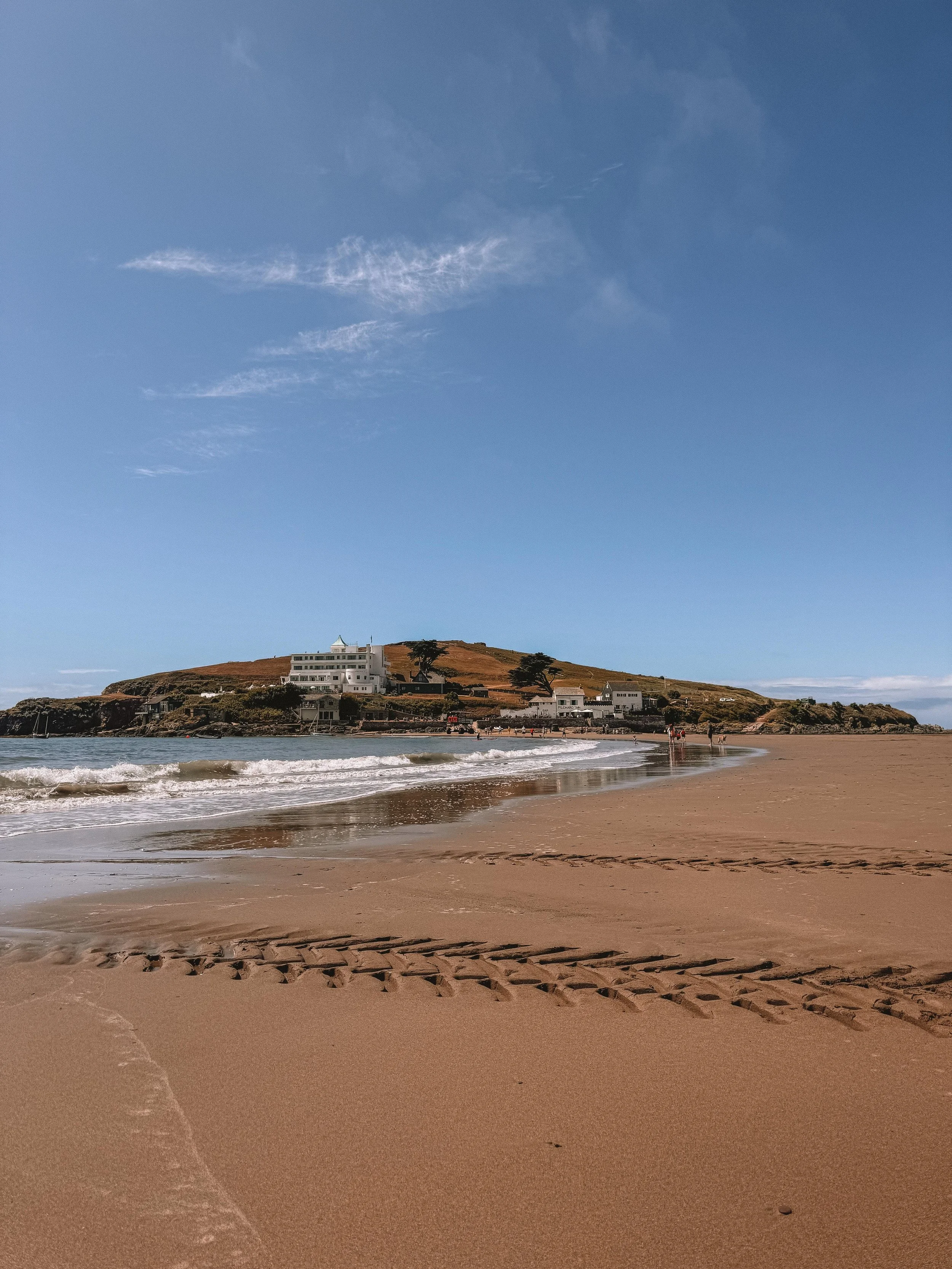
This is a 3‑day, highlight‑packed London itinerary designed for first‑timers who want a little of everything.
The Quick Fold: Summer in the English Seaside | South Devon 3 days of markets, museums & riverside walks
The Quick Fold: Summer in the English Seaside | South Devon 3 days of markets, museums & riverside walks
Our favourite experiences from the capital
-
Richmond Park is the largest of London’s Royal Parks, a vast 2,500-acre wilderness that still feels close to its origins as a 17th-century royal hunting ground. Today, more than 600 red and fallow deer still roam freely, shaping the grasslands much as they did centuries ago.
The park’s scale means you can wander for hours: along woodland paths, across open plains, or around the Tamsin Trail. -
The South Bank riverside walk follows the Thames from Westminster Bridge to Borough Market and, if you wish, on to Tower Bridge.
From Westminster Bridge to Blackfriars, the walk passes major landmarks including the London Eye, Jubilee Gardens, Southbank Centre, and the National Theatre, alongside the wide promenades and river steps that define the South Bank. East of Blackfriars, the atmosphere subtly changes as the path moves into Bankside, where you’ll encounter Tate Modern, Shakespeare’s Globe, the Millennium Bridge, and the quieter stretch of river edging towards Borough Market.
It works particularly well as a connective walk between cultural landmarks, allowing you to move through London at a slower, observational pace.
-
Columbia Road Flower Market takes over the street every Sunday morning. What began as a 19th-century street market is now one of London’s most distinctive weekly rituals, with traders selling flowers, plants, and bulbs from early morning until early afternoon.
The surrounding shops, independent homeware stores, bakeries, and cafés, open alongside the market, making it feel like a temporary village. -
Hackney Wick has one of the highest concentrations of artists’ studios in Europe, and its industrial past remains visible in the warehouses, rail bridges, and canal-side buildings that define the area. The neighbourhood is threaded by the River Lea and several canals, giving it a distinct waterside character.
Since redevelopment linked to the 2012 Olympic Games, Hackney Wick has evolved into a hub for independent galleries, breweries, cafés, and creative workspaces. Hackney Bridge, a modern food court along the canal, has become one of the area’s most popular gathering points. With multiple small traders offering globally inspired dishes, it’s a lively place to pause, taste, and watch the canal life drift by.
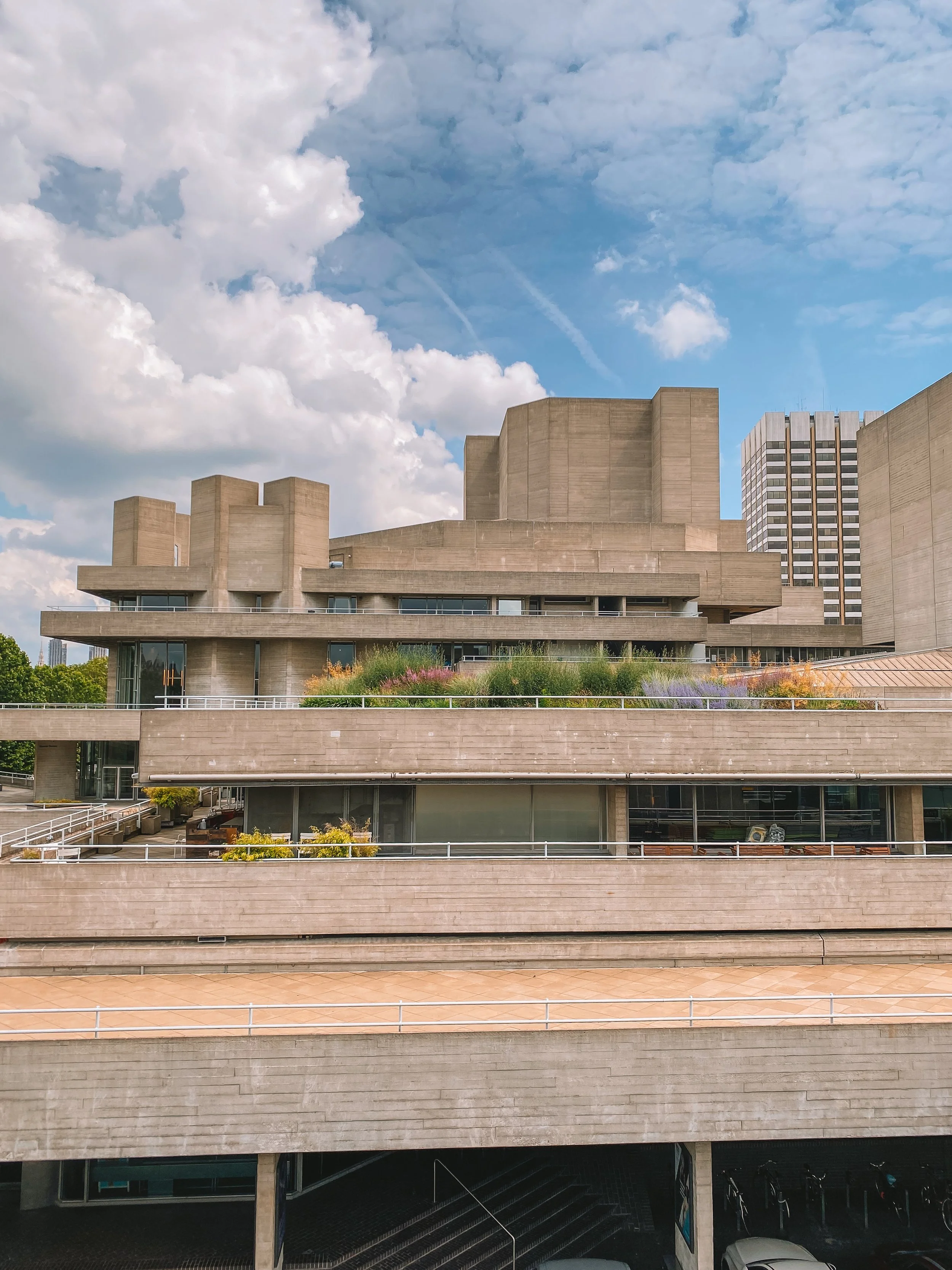
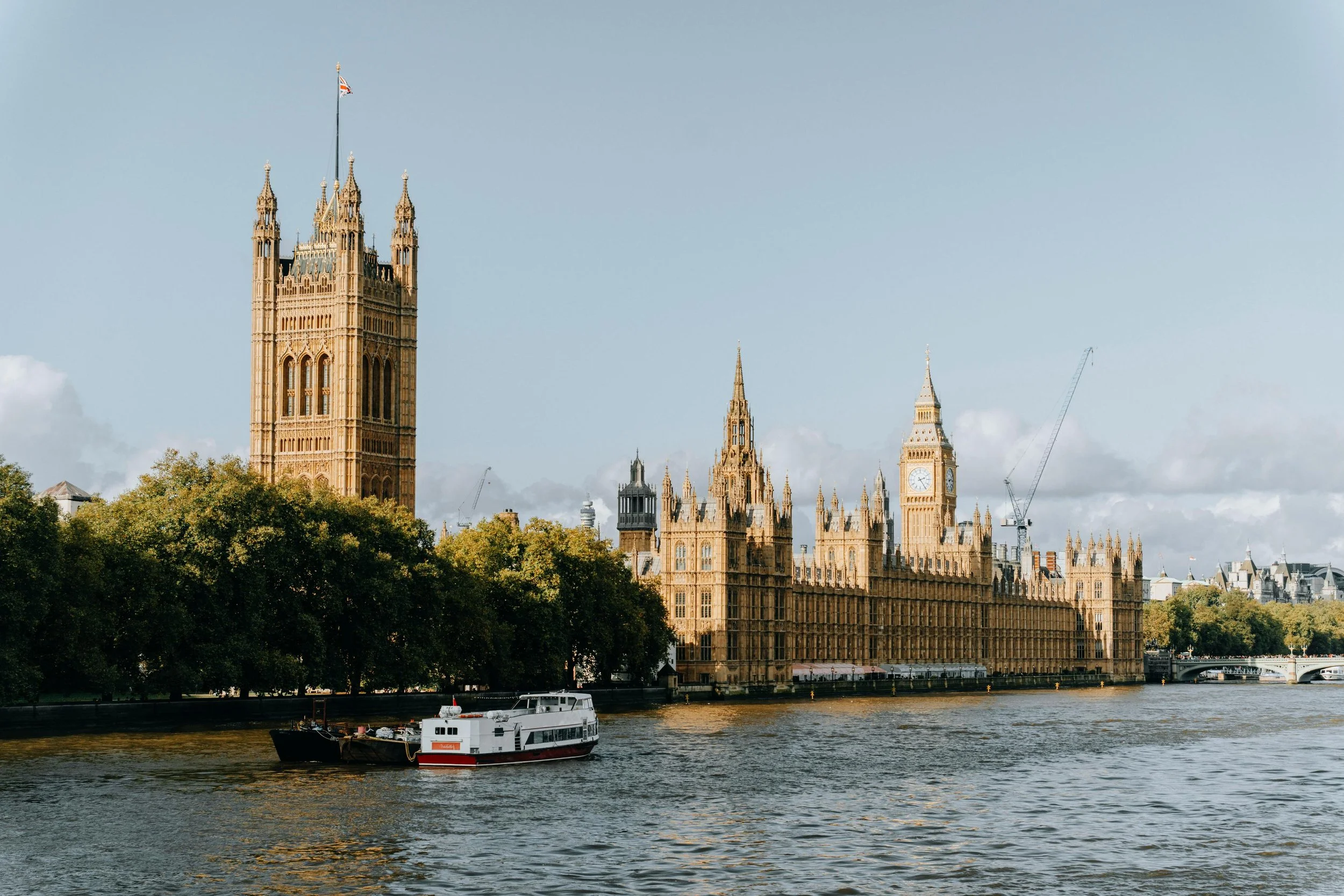
This is a 3‑day, highlight‑packed London itinerary designed for first‑timers who want a little of everything.
The Quick Fold: London (for first-timers) 3 days of markets, museums & riverside walks
The Quick Fold: London (for first-timers) 3 days of markets, museums & riverside walks
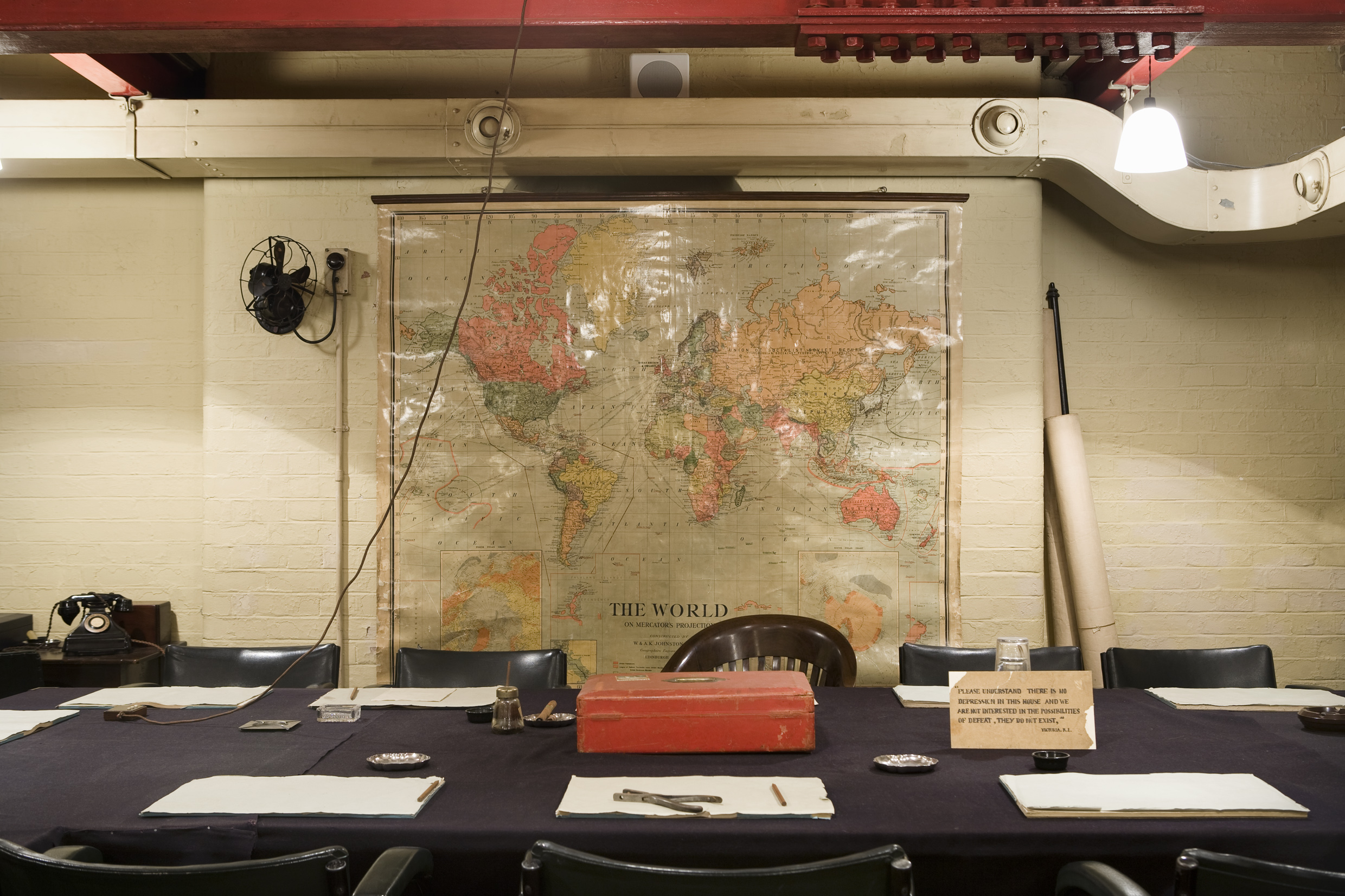
Churchill’s secret War Rooms, beneath the streets of London
Deep beneath the streets of London, the Churchill War Rooms preserve the moment when the city’s fate was decided in hushed corridors and map‑lined rooms. This hidden bunker, tucked under Westminster, offers an intimate look at Winston Churchill’s wartime leadership and the nerve centre of Britain’s war effort during the Second World War.
Walk through the Cabinet War Room, where historic decisions were made under the weight of nightly air raids, and step into Churchill’s cramped office and bedroom, still lined with books, maps, and wartime memorabilia. The rooms feel frozen in time, with the Prime Minister’s personal items and the voices of the past woven into the exhibits.
The Churchill War Rooms also host a moving museum on Churchill’s life and legacy, connecting his wartime decisions with the broader story of 20th‑century Britain. It’s a place to feel history rather than just read about it — a quiet underground journey that reveals how London’s spirit was shaped by the choices made beneath its streets.